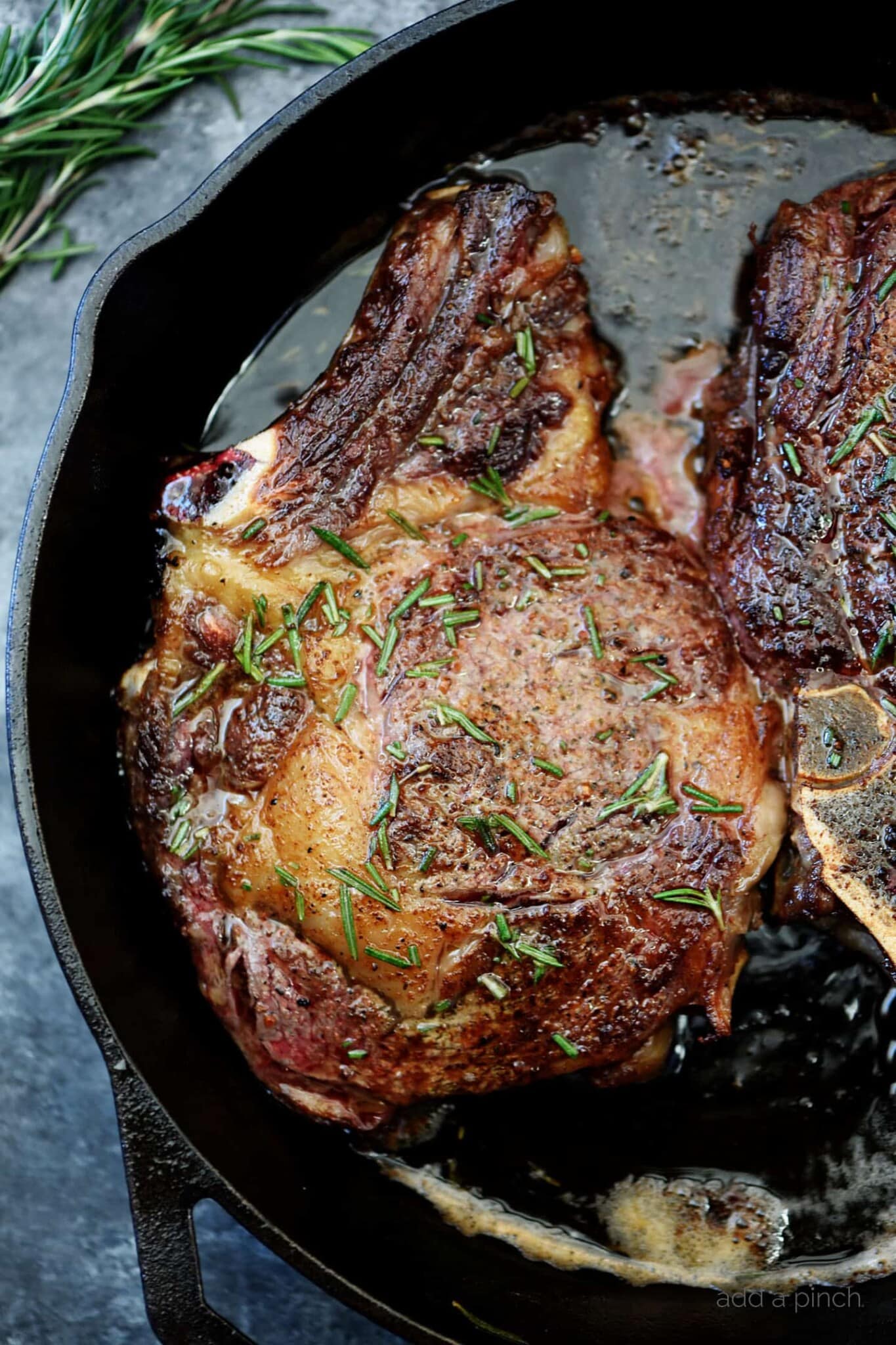
Butter-Basted Skillet Ribeye: Your Ticket to Steakhouse Perfection at Home
Imagine sinking your teeth into a perfectly seared, incredibly juicy ribeye steak, its rich flavor enhanced by a glistening, aromatic butter crust. Now, imagine achieving that restaurant-quality experience right in your own kitchen. It's not a dream, it's the promise of the butter-basted skillet ribeye, and with our comprehensive guide, mastering this culinary art is well within your reach. Forget crowded tables and hefty bills; this ultimate skillet rib eye steaks recipe delivers luxury and flavor that will have your family and guests raving.
Cooking a truly great steak can seem daunting, but it’s one of those essential skills that even a beginner cook can quickly master. This method focuses on a few key steps and high-quality ingredients to produce a steak so scrumptious, it will easily become your go-to. Get ready to transform your home cooking into a gourmet dining experience with this easy-to-follow skillet ribeye masterpiece.
The Foundation: Choosing Your Steak and Building Flavor
The secret to an unforgettable skillet ribeye begins long before it hits the pan. It starts with careful selection and thoughtful seasoning.
Selecting the Star: The Ribeye Steak
A phenomenal steak dinner hinges on the quality of your cut. For this skillet rib eye steaks recipe, we highly recommend bone-in ribeye steaks, ideally 1 ¼ to 1 ½ inches thick. Here’s why:
- Marbling: Look for abundant marbling – those tiny flecks of fat interspersed throughout the lean meat. This intramuscular fat slowly renders during cooking, basting the steak from within, resulting in unparalleled tenderness, juiciness, and a depth of flavor that's simply irresistible.
- Thickness: A thicker steak allows you to achieve a beautiful, deep crust on the exterior without overcooking the interior. This is crucial for that perfect medium-rare or medium finish.
- Bone-in vs. Boneless: While boneless works, the bone adds an extra layer of flavor and helps the steak cook more evenly. Don't hesitate to ask your butcher to custom-cut steaks for you if you don't see the ideal thickness readily available. Calling ahead for special occasions is a smart move!
Pro Tip: Always bring your steaks to room temperature for about 30-60 minutes before cooking. This helps them cook more evenly from edge to center.
Crafting the Flavor Profile: Seasoning and Aromatics
Once you have your steak, it's time to create its delicious armor of flavor. This recipe thrives on simplicity, allowing the natural beefy notes to shine.
- Homemade Seasoning Blend: A simple yet powerful blend of salt, black pepper, and garlic powder in just the right proportions is a game-changer. This "house seasoning" can elevate not just beef, but also chicken, fish, and vegetables. Don't skimp on the salt – it helps draw out moisture initially, then forms that incredible crust.
- Fresh Rosemary: The aromatic essence of fresh rosemary sprigs infused into the basting butter adds a sophisticated, earthy note that perfectly complements the rich beef. If you don't have fresh, you can omit it, but we strongly encourage trying it for that extra layer of steakhouse flair. Fresh thyme is another excellent alternative.
- Unsalted Butter: Essential for both searing and basting, unsalted butter allows you to control the overall sodium content of your dish. It develops a rich, nutty flavor as it browns, which is a hallmark of a truly great pan-seared steak. A drizzle of melted butter over the finished steak is the ultimate luxurious touch.
- Olive Oil: A small amount of olive oil (or another high smoke point oil like avocado oil) is key for initiating the sear. It helps conduct heat efficiently and prevents the butter from burning too quickly at high temperatures, ensuring a beautiful, golden-brown crust.
Mastering the Sear: Your Skillet and Technique
The pan-searing method is celebrated for creating an unbeatable crust while keeping the interior succulent. A few simple tips make all the difference.
The Right Tools: Cast Iron is King
When it comes to the best skillet rib eye steaks recipe, a heavy-bottomed skillet is non-negotiable, and a cast iron skillet reigns supreme. Why cast iron?
- Superior Heat Retention: Cast iron holds heat incredibly well, providing a consistent, high temperature across the entire cooking surface, which is vital for a perfect sear.
- Even Cooking: Its ability to maintain heat prevents temperature drops when the steak is added, ensuring an even crust development.
- Natural Non-Stick Properties: A well-seasoned cast iron skillet offers a naturally non-stick surface, making flipping and basting a breeze.
If cast iron isn't an option, a heavy-bottomed stainless steel skillet can also work effectively.
The Searing Dance: High Heat and Frequent Turning
This is where the magic happens. The goal is to achieve a deep, caramelized crust (the Maillard reaction) without overcooking the interior of the steak.
- Preheat the Skillet: Place your empty cast iron skillet over high heat for 3-5 minutes, until it's smoking slightly. This ensures the surface is screaming hot, ready to create that instant crust.
- Add Oil and Steak: Add a tablespoon of olive oil to the hot pan, then carefully place your seasoned steak(s) in. Don't overcrowd the pan – cook in batches if necessary to maintain high heat.
- Frequent Turning: Unlike traditional advice, frequent turning (every 60-90 seconds) is often recommended by top chefs for pan-seared steaks. This technique promotes more even cooking, builds a fantastic crust across the entire surface, and prevents the outside from burning before the inside is cooked.
- Butter Basting: After a few minutes of searing and turning, reduce the heat to medium-low, add several tablespoons of unsalted butter, smashed garlic cloves (optional), and fresh rosemary sprigs. As the butter melts and foams, continuously spoon it over the steak, ensuring it's constantly coated in the aromatic, rich liquid. This infusion of flavor is what truly elevates the butter-basted skillet ribeye.
Cooking times will vary based on steak thickness and your desired doneness, but typically, a 1 ½-inch steak will take about 8-12 minutes total for medium-rare to medium.
Achieving Perfect Doneness: Temperature is Key
Guessing doneness is a recipe for disappointment. A reliable internal thermometer is your best friend for a perfectly cooked steak.
Beyond Timing: The Internal Thermometer
While cooking times are a reference, the internal temperature is the definitive indicator of doneness. Insert an instant-read thermometer into the thickest part of the steak, avoiding the bone.
- Rare: 120-125°F (remove at 115-120°F)
- Medium-Rare: 130-135°F (remove at 125-130°F)
- Medium: 135-140°F (remove at 130-135°F)
- Medium-Well: 140-145°F (remove at 135-140°F)
Important Note: Always remove your steak from the heat 5-10 degrees *before* it reaches your target internal temperature. This accounts for "carryover cooking," where the steak's internal temperature will continue to rise a few degrees after it's removed from the pan.
The Crucial Rest
Once your steak reaches the desired temperature, transfer it to a cutting board and tent loosely with foil. Let it rest for 5-10 minutes. This step is non-negotiable!
Why rest? Resting allows the juices, which have been pushed to the center of the steak during cooking, to redistribute evenly throughout the meat. Cutting into the steak too soon will result in those precious juices spilling out, leaving you with a dry, less flavorful experience.
Pairing & Presentation: Elevating Your Meal
A perfectly cooked butter-basted skillet ribeye is a meal in itself, but it also pairs beautifully with a variety of sides. Think creamy mashed potatoes, crisp roasted asparagus, a simple green salad, or even garlic bread to sop up any leftover pan juices. A robust red wine is the quintessential accompaniment.
With this foolproof skillet rib eye steaks recipe, you can truly skip the expensive steakhouse. The lines, the crowded tables, the noise – none of it can compare to the luxurious experience you can create at home. For more in-depth techniques on achieving restaurant-quality results, explore our guides on Master Skillet Ribeye: Steakhouse Quality at Home and discover Foolproof Skillet Ribeye: Easy Steps for Perfect Steak.
Conclusion
The butter-basted skillet ribeye isn't just a recipe; it's an experience. It's the taste of luxury, the satisfaction of mastering a classic, and the joy of sharing an incredible meal with loved ones. By focusing on quality ingredients, understanding the science of searing, and trusting your thermometer, you can consistently produce juicy, seared perfection that rivals any high-end steakhouse. This skillet rib eye steaks recipe is a cinch with just a few steps, making an absolutely scrumptious steak every time. So go ahead, treat yourself and your family to the best ribeye steak you can make at home – you deserve it!
