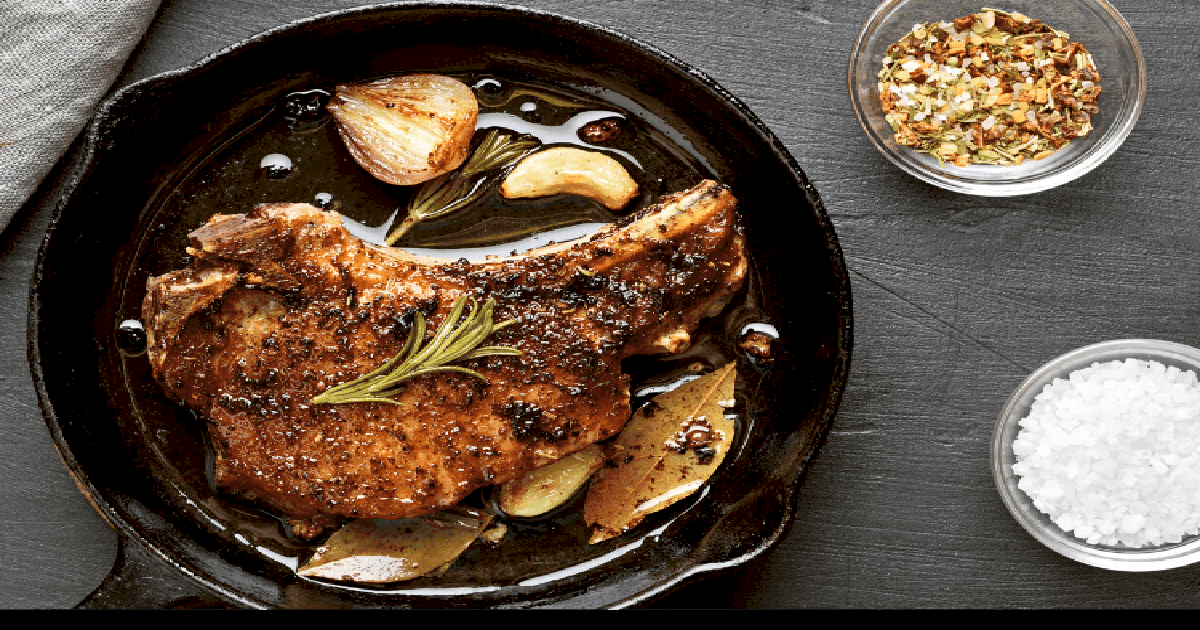
Foolproof Skillet Ribeye: Easy Steps for Perfect Steak
Imagine sinking your teeth into a perfectly seared, incredibly juicy ribeye steak, complete with a savory crust and infused with aromatic herbs. Now, imagine achieving that restaurant-quality experience right in your own kitchen, without the hefty price tag or the crowded tables. Sounds like a dream? Not anymore! With this comprehensive guide to a foolproof
skillet rib eye steaks recipe, you're about to unlock the secrets to culinary triumph. We'll show you how to transform a simple cut of meat into a luxurious meal that tastes like it came straight from a five-star steakhouse. Forget complicated grilling or fancy equipment; all you need is a good quality steak, a reliable skillet, and a few simple steps to achieve steak perfection every single time.
The Foundation of Flavor: Choosing Your Ribeye
The journey to an unforgettable skillet ribeye begins not with cooking, but with careful selection. Just as an artist needs quality canvas, a chef needs a superior cut of meat.
Understanding the Ribeye Cut
The ribeye is renowned for its rich flavor and tender texture, primarily due to its excellent marbling—those delectable intramuscular streaks of fat. This fat renders down during cooking, basting the meat from within and contributing to its incredible juiciness and depth of flavor.
When selecting your ribeye, aim for the following:
*
Thickness: Ideally, look for steaks that are 1 1/4 to 1 1/2 inches thick. This thickness is crucial because it allows you to develop a beautiful, deep crust without overcooking the interior. Thinner steaks cook too quickly, making it challenging to achieve a perfect medium-rare or medium doneness.
*
Marbling: Prioritize steaks with abundant, evenly distributed white flecks of fat. Good marbling is a non-negotiable for a truly succulent and flavorful ribeye.
*
Bone-in vs. Boneless: While both work beautifully, bone-in ribeyes often lend an extra layer of flavor and can sometimes cook more evenly. If you have the option, a bone-in cut is often preferred for that steakhouse appeal.
*
Sourcing: Don't hesitate to engage with your butcher. If you don't see suitable cuts readily available, ask them to slice a custom thickness for you. For special occasions, calling ahead can ensure your perfect steak is waiting.
Essential Ingredients: More Than Just Steak
While the ribeye is the star, the supporting cast of ingredients plays a vital role in elevating your steak to gourmet status.
*
The House Seasoning: A simple yet effective seasoning blend is key. Our go-to "house seasoning" combines salt, freshly cracked black pepper, and garlic powder in just the right proportions. This trinity enhances the beef's natural flavor without overpowering it. Feel free to experiment with ratios to find your perfect blend; some prefer more garlic, others more pepper. Apply it generously and evenly to all sides of the steak.
*
Fresh Herbs: Fresh rosemary (and sometimes thyme, as seen in other professional recipes) adds an incredible aromatic dimension. As the herbs infuse into the sizzling butter, they release fragrant oils that permeate the steak, mimicking the complex flavors of a restaurant dish. While fresh is always best, if you don't have it, your steak will still be delicious; just make a note to try it next time!
*
Unsalted Butter: This is the secret weapon for basting. Unsalted butter allows you to control the sodium level of your dish. As it melts and foams in the skillet, it carries the herb and garlic flavors directly into the steak, ensuring a moist interior and a golden-brown finish. The final drizzle over the top for serving is the ultimate touch of luxury.
*
High-Smoke Point Oil: A neutral oil like olive oil (or avocado, grapeseed) is essential for the initial searing phase. It helps achieve that magnificent crust and prevents the butter from burning at high temperatures. The oil adds a crucial layer of heat transfer, ensuring a beautiful, even sear.
Mastering the Skillet: Step-by-Step Perfection
The actual cooking process is straightforward, but precision is paramount. This is where your
Master Skillet Ribeye: Steakhouse Quality at Home skills truly shine.
1.
Prep the Steak: Remove your ribeye from the refrigerator at least 30-60 minutes before cooking to allow it to come closer to room temperature. This promotes more even cooking. Crucially, pat the steak thoroughly dry with paper towels. Moisture is the enemy of a good sear, as it will steam the steak instead of browning it.
2.
Season Generously: Liberally season all sides of your ribeye with your salt, pepper, and garlic powder blend. Don't be shy – this is where the exterior flavor development begins.
3.
Heat the Skillet: Place a heavy-bottomed skillet (cast iron is ideal for its excellent heat retention) over high heat. Add enough olive oil to lightly coat the bottom of the pan. Heat until the oil is shimmering and just beginning to smoke. This indicates it’s hot enough for a proper sear.
4.
Sear the Steak: Carefully place the seasoned ribeye in the hot skillet. If cooking multiple steaks, do not overcrowd the pan; cook them in batches if necessary to maintain high heat. Sear for 2-3 minutes per side until a deep, golden-brown crust forms. You're aiming for that rich Maillard reaction that brings out incredible savory flavors.
5.
The Butter Baste: Reduce the heat to medium. Add several tablespoons of unsalted butter to the pan along with fresh rosemary sprigs (and smashed garlic cloves if using). As the butter melts and foams, tilt the pan slightly and use a spoon to continuously baste the steak with the hot, aromatic butter. Continue flipping the steak every 30-60 seconds while basting, ensuring even cooking and crust development. This frequent turning, as highlighted by culinary experts, helps achieve a fantastic crust without overcooking the center. This butter-basting technique is so fundamental, you might want to explore more about
Butter-Basted Skillet Ribeye: Juicy, Seared Perfection.
Achieving Steakhouse Doneness and The Crucial Rest
Knowing when your steak is perfectly cooked is an art, but a meat thermometer makes it a science.
*
Internal Temperature is Key: Forget relying solely on cooking times, as thickness and heat can vary. Always use an instant-read meat thermometer inserted into the thickest part of the steak, avoiding the bone.
*
Rare: 120-125°F (50-52°C)
*
Medium-Rare: 125-130°F (52-54°C)
*
Medium: 130-135°F (54-57°C)
*
Medium-Well: 135-140°F (57-60°C)
Remember that carryover cooking will increase the internal temperature by another 5-10 degrees once removed from heat. Therefore, pull your steak off the skillet a few degrees below your desired final temperature.
*
The Golden Rule of Resting: Once your steak reaches the desired temperature, immediately transfer it to a cutting board. Tent it loosely with foil and let it rest for at least 5-10 minutes (10-15 minutes for thicker cuts). This step is absolutely critical. Resting allows the muscle fibers to relax and reabsorb the juices, ensuring a tender, moist steak throughout. Slicing too early will result in a dry, tough steak with all its delicious juices pooling on your board.
Beyond the Basics: Tips for an Unforgettable Steak
*
Don't Overcrowd the Pan: This is a common mistake. An overcrowded pan will drop the skillet's temperature, leading to steaming rather than searing. Cook steaks in batches to maintain high heat and achieve that perfect crust.
*
Clean Your Skillet: If cooking multiple batches, quickly wipe out any burnt bits from the skillet between steaks to prevent off-flavors.
*
Serve Immediately (After Resting): Once rested, slice your steak against the grain to maximize tenderness and serve promptly. A final sprinkle of flaky sea salt can enhance the flavor further.
*
Pairing Perfection: A beautifully cooked ribeye pairs wonderfully with a robust red wine. For sides, consider garlic mashed potatoes, a crisp green salad, roasted asparagus, or even a decadent lobster tail for a truly celebratory meal. Or, if the steak is truly outstanding, serve it simply on its own.
Cooking a great steak is one of those culinary achievements that even the most beginner cook can master with a few key principles and a dash of confidence. This
skillet rib eye steaks recipe is designed to be your trusted guide.
Conclusion
There you have it – the foolproof path to a perfect skillet ribeye, rivaling any steakhouse experience. From selecting the ideal cut and mastering your seasoning blend to achieving that enviable crust and understanding the critical rest, every step contributes to a symphony of flavor and texture. This method is not just about cooking a steak; it's about crafting a memorable meal with ease and confidence. So, skip the reservations and the expense; gather your ingredients, fire up your skillet, and prepare to impress yourself and your loved ones with a truly spectacular, homemade ribeye. Enjoy the unparalleled satisfaction of creating a culinary masterpiece in your very own kitchen.