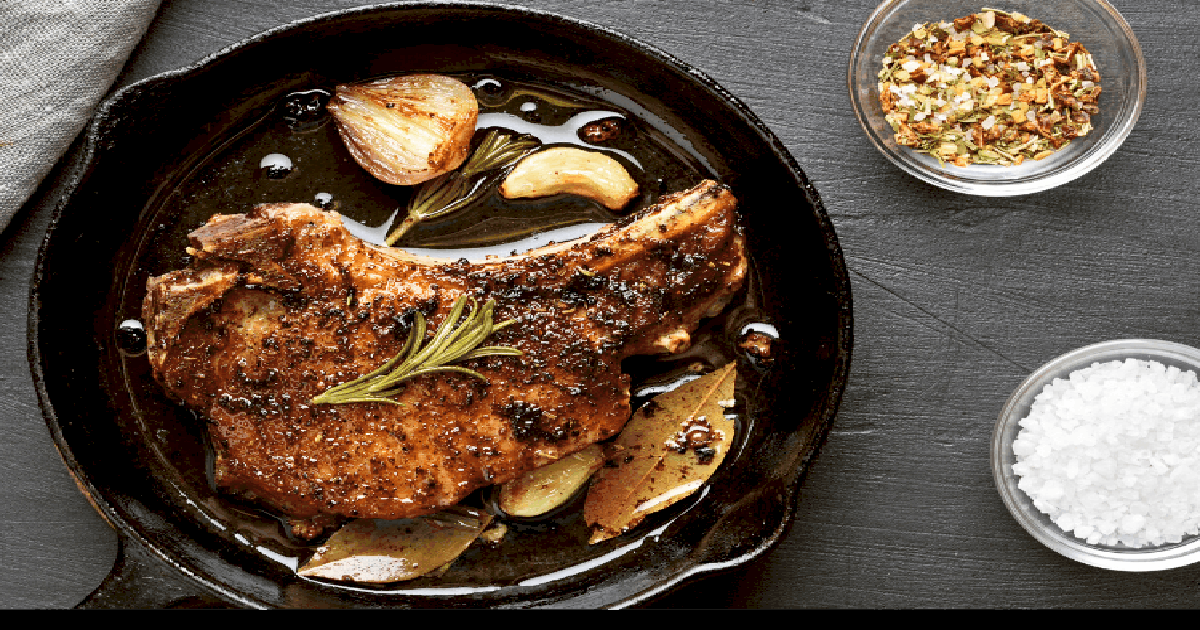
Master Skillet Ribeye: Steakhouse Quality at Home
Imagine sinking your teeth into a perfectly seared, incredibly juicy ribeye steak, bursting with rich, buttery flavor and a crust that crackles with every bite. Now, imagine achieving that restaurant-quality experience right in your own kitchen. Forget crowded tables and hefty bills; mastering the
skillet rib eye steaks recipe is not just achievable, it's surprisingly simple. This guide will walk you through every step, transforming a humble cut of meat into a luxurious meal that will have your family and friends believing you've secretly enrolled in culinary school.
The allure of a steakhouse-caliber ribeye cooked at home is irresistible. With just a few key ingredients, a reliable cast iron skillet, and some straightforward techniques, you can recreate that coveted perfection. It’s a culinary skill that’s both impressive and deeply satisfying, proving that gourmet dining doesn't always require a reservation.
The Foundation of Flavor: Selecting Your Ribeye
The journey to an exceptional skillet ribeye begins long before you even fire up the stove. It starts with selecting the right cut of meat. The ribeye, renowned for its generous marbling and robust flavor, is an ideal candidate for pan-searing.
*
Choose Wisely: Look for ribeye steaks that are 1 ¼ to 1 ½ inches thick. This thickness is crucial as it allows you to develop a beautiful, caramelized crust without overcooking the interior. Bone-in cuts often impart additional flavor and help prevent the steak from drying out, though boneless works perfectly well too.
*
Marbling is Key: Inspect the steak for good marbling – the intramuscular fat streaks woven throughout the lean meat. This marbling is your guarantee of a tender, juicy, and incredibly flavorful steak. As it renders during cooking, it bastes the meat from within, ensuring a succulent result.
*
Befriend Your Butcher: If you don't see suitable cuts readily available in the supermarket meat case, don't hesitate to ask the butcher. They can often cut a custom steak to your desired thickness. For special occasions, consider calling ahead to ensure they have the perfect cuts waiting for you.
Essential Ingredients for Steakhouse Perfection
While the ribeye itself is the star, the supporting cast of ingredients plays a vital role in elevating its flavor profile to steakhouse heights.
*
The Power of Seasoning: A well-seasoned steak is a flavorful steak. While many reach for pre-made blends, crafting your own "house seasoning" of salt, black pepper, and garlic powder in just the right proportions can become your secret weapon. This simple yet potent trifecta enhances the natural beefy flavor without overpowering it, making it versatile enough for more than just steaks.
*
Aromatic Herbs: Fresh herbs are non-negotiable for infusing deep, complex flavors. Fresh rosemary, with its piney, citrusy notes, is a classic pairing for beef. A few sprigs tossed into the skillet during the basting phase will permeate the butter and, subsequently, the steak with an incredible aroma. Fresh thyme or even sage can also be wonderful additions. If fresh herbs aren't available, your steak will still be delicious, but we highly encourage you to experience the difference they make.
*
The Dynamic Duo of Fats:
*
Olive Oil (or another high-smoke-point oil): A drizzle of olive oil, or better yet, a neutral high-smoke-point oil like canola, grapeseed, or avocado oil, is essential for achieving that initial, gorgeous sear. It helps conduct heat evenly and prevents the steak from sticking.
*
Unsalted Butter: This is where the magic truly happens. Unsalted butter is preferred to control the overall saltiness of your dish. Towards the end of the cooking process, butter becomes the base for a luxurious basting liquid. As it melts and browns, it develops a nutty flavor, soaking into the steak and creating that rich, restaurant-quality finish.
*
Garlic: Smashed garlic cloves, added to the butter during basting, release their aromatic oils, further enhancing the savory depth of your ribeye.
Mastering the Sizzle: Your Skillet Ribeye Cooking Guide
Cooking a magnificent skillet ribeye isn't about complex techniques; it's about understanding the science of searing and basting.
1.
Bring to Room Temperature: Before cooking, remove your steaks from the refrigerator about 30-60 minutes in advance. This allows the steak to cook more evenly from edge to center.
2.
Pat Dry Generously: This step is critical! Use paper towels to thoroughly pat both sides of the steak dry. Moisture on the surface will steam the meat rather than sear it, preventing that desirable crust from forming.
3.
Season Liberally: Don't be shy with your chosen seasoning blend. Season both sides of the steak generously, pressing the seasoning gently into the meat.
4.
Heat the Skillet: Place a heavy-bottomed skillet, ideally cast iron, over medium-high to high heat until it's smoking slightly. A hot skillet is paramount for a perfect sear. Add a tablespoon or two of high-smoke-point oil.
5.
Sear for the Crust: Carefully place the seasoned steak into the hot skillet. Let it sear undisturbed for 2-3 minutes per side. For an extra-crispy edge, use tongs to hold the fatty side of the steak against the hot pan for about a minute to render some of that fat. To achieve that gorgeous crust without overcooking, turn the steak frequently – every 30-60 seconds after the initial sear. This method, advocated by top chefs, allows for even cooking and crust development.
6.
The Basting Stage: Once a beautiful crust has formed on both sides (typically after 6-8 minutes total searing time for a 1 ¼-inch steak), reduce the heat to medium-low. Add 2-3 tablespoons of unsalted butter, a few sprigs of fresh rosemary (and/or thyme), and 2-3 smashed garlic cloves to the pan. Tilt the pan slightly and, using a spoon, continuously baste the melting, aromatic butter over the steak for another 2-4 minutes, flipping occasionally. This
butter-basted skillet ribeye technique infuses incredible flavor and moisture.
7.
Check for Doneness: While cooking times are a reference, the true indicator of doneness is the internal temperature. Use an instant-read meat thermometer inserted into the thickest part of the steak, avoiding the bone.
* Rare: 120-125°F (remove at 115-120°F)
* Medium-Rare: 130-135°F (remove at 125-130°F)
* Medium: 140-145°F (remove at 135-140°F)
* *Remember, the steak's temperature will rise 5-10 degrees while resting.*
8.
Rest Your Steak: This step is non-negotiable! Transfer the cooked steak to a cutting board and let it rest for at least 5-10 minutes. Resting allows the juices, which have been pushed to the center by the heat, to redistribute throughout the meat, resulting in a more tender and juicy steak. Tent loosely with foil to keep warm.
Beyond the Basics: Tips for an Unforgettable Steak Experience
Once you’ve mastered the core skillet rib eye steaks recipe, consider these additional tips to elevate your steak game even further:
*
Preheat Your Plate: Warm your serving plates in a low oven. Serving a hot steak on a cold plate can quickly cool it down.
*
Slice Against the Grain: If serving sliced, always cut against the grain. This shortens the muscle fibers, making each bite more tender.
*
Compound Butter Finish: Before serving, top your rested steak with a pat of compound butter (butter mixed with minced herbs, garlic, or even blue cheese). The melting butter adds another layer of flavor and richness.
*
The Perfect Pairing: A robust red wine like Cabernet Sauvignon or Malbec complements the rich flavor of ribeye beautifully. For sides, consider roasted potatoes, a fresh green salad, or even butter-poached lobster for a truly extravagant meal.
Mastering the skillet rib eye steaks recipe is more than just cooking; it's an experience. It’s about transforming simple ingredients into something extraordinary, creating memorable meals, and proving that the best steakhouse is often found in your own home. With these techniques and tips, you're well on your way to cooking the perfect ribeye every single time. Enjoy the sizzle, savor the aroma, and most importantly, delight in every delicious bite!